

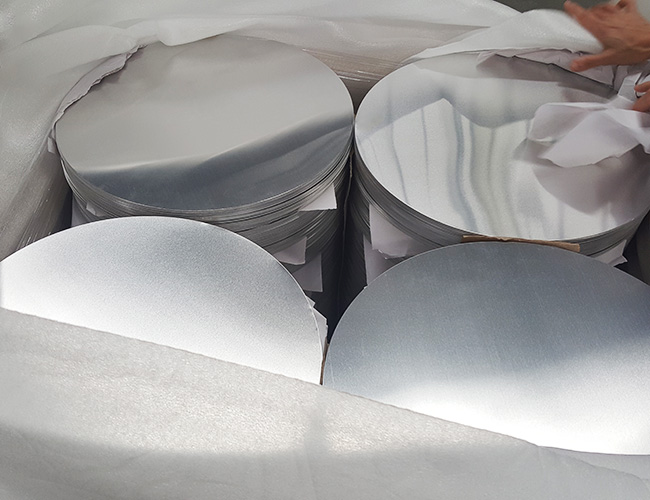
Aluminum Circles For Cookware
2026-03-31 14:52:06
The global supply chain for aluminum circles for cookware is entering a higher-risk phase as market volatility intensifies around the Strait of Hormuz. With freight sentiment turning cautious and aluminum prices already up 7% in recent trading, procurement managers are facing a more complex buying environment defined by cost pressure, longer lead times, and elevated replenishment risk.
For cookware manufacturers, this is not just an energy-market headline. It is a direct sourcing issue. Aluminum circle production depends on stable upstream metal supply, predictable rolling capacity, reliable export logistics, and manageable energy costs. Any sustained disruption linked to the Strait of Hormuz can quickly transmit through these layers and affect availability, pricing, and delivery performance.
Why the Strait of Hormuz Matters to Aluminum Buyers
The Strait of Hormuz remains one of the world's most strategically sensitive shipping corridors, especially for oil and gas flows. If traffic restrictions, security incidents, or insurance surcharges escalate, the impact can spread far beyond crude markets.
For buyers of aluminum circles for cookware, the transmission mechanism is clear:
- Higher energy costs can increase smelting and processing expenses.
- Freight market volatility can raise ocean shipping rates and war-risk premiums.
- Port congestion and route adjustments can extend delivery windows.
- Supplier risk aversion can lead to shorter quotation validity and tighter contract terms.
- Speculative commodity buying can amplify aluminum price swings beyond physical fundamentals.
This means the current 7% increase in aluminum prices may not be an isolated move. If geopolitical risk persists, buyers may see a second-round effect through conversion premiums, packaging costs, inland transport, and reduced flexibility from mills.
Immediate Impact on the Cookware Aluminum Circle Market
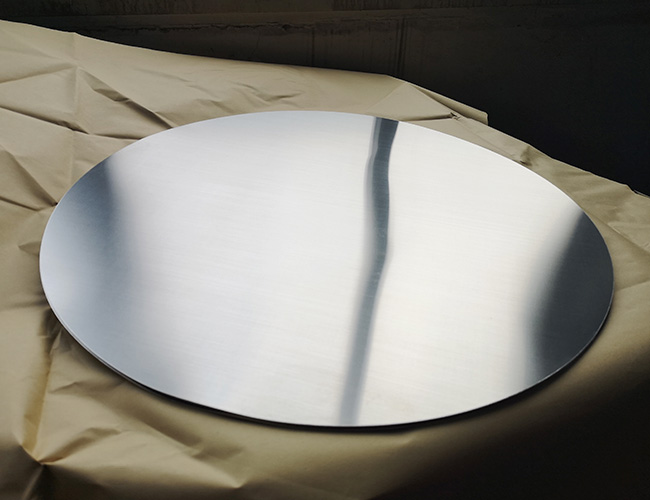
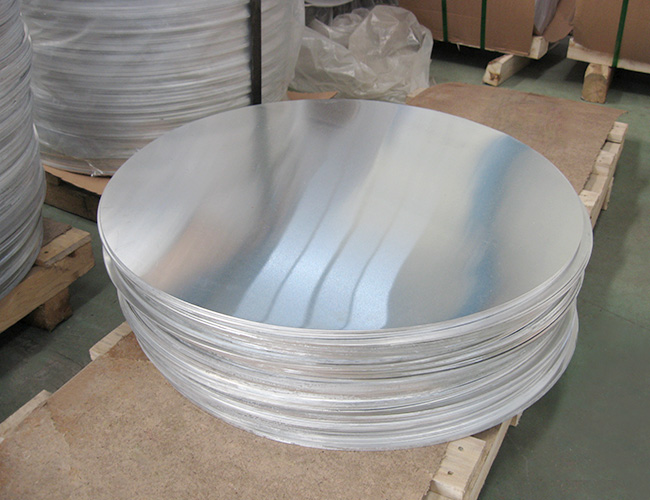
The cookware segment is particularly sensitive because aluminum circles are often purchased to exact specifications, including:
- Alloy grades such as 1050, 1060, 1070, 1100, and 3003
- Tight thickness tolerances
- Stable temper and forming performance
- Surface quality suitable for anodizing, non-stick coating, or deep drawing
- Consistent diameter availability for mass production runs
When the market becomes volatile, suppliers tend to prioritize:
- Customers with long-term contracts
- Orders with flexible shipment windows
- High-volume buyers able to commit quickly
- SKUs with standard specifications and easier production scheduling
As a result, procurement teams buying on a spot basis may face:
- Reduced quote validity, sometimes within 24 to 72 hours
- Higher MOQ pressure
- Less room for negotiation on payment terms
- Delays on non-standard diameters or thicknesses
- Greater risk of substitute-origin offers with mixed quality consistency
Price Outlook: Why the 7% Rise Could Be a Leading Indicator
A 7% rise in aluminum prices is already significant for cookware manufacturers operating on thin conversion margins. However, the deeper concern is what this move may signal.
Scenario 1: Short-lived shock
If the Strait of Hormuz issue is contained quickly, aluminum prices may stabilize, but not necessarily return immediately to prior levels. Suppliers may still maintain higher offers to offset recent raw material and freight uncertainty.
Scenario 2: Prolonged tension
If disruption lasts for several weeks, buyers could face a broader repricing cycle. In this case, the market may see:
- Repeated weekly offer increases
- More aggressive surcharge pass-through
- Reduced willingness from mills to hold prices for future delivery
- Longer production queues for commodity cookware grades
Scenario 3: Secondary supply chain tightening
Even without a full shipping shutdown, rising insurance costs, vessel rerouting, and cautious inventory behavior can create artificial scarcity. This often leads downstream buyers to accelerate orders, which further tightens near-term supply.
For procurement managers, the key message is simple: waiting for a perfect buying point may be riskier than securing controlled coverage now.
Procurement Warning Signs to Monitor This Week
Purchasing teams should track the following indicators closely:
- Aluminum futures and LME-related sentiment
- Supplier quotation validity periods
- Changes in freight rates for Middle East-linked and Asia-Europe routes
- Export lead times from major aluminum processing hubs
- Availability of core cookware grades such as 1050 and 1100
- Conversion premium increases on circle blanks
- Any notice of force majeure, rolling schedule adjustments, or power-cost surcharges
A sudden shortening of validity periods or a rise in deposit requirements is often an early warning that suppliers expect additional market turbulence.
Strategic Stocking Advice for Procurement Managers
In the current environment, a purely reactive purchasing approach is not advisable. Procurement managers should move toward a layered stocking strategy.
1. Secure core specifications first
Prioritize the high-turn items that directly support your main cookware SKUs. These usually include your fastest-moving diameters, mainstream thicknesses, and core alloys. Protect production continuity before considering opportunistic buys on slower-moving items.
2. Extend coverage beyond normal safety stock
If your usual safety stock covers 3 to 4 weeks, consider extending it to 6 to 8 weeks for critical aluminum circles for cookware, especially if your suppliers depend on imported primary aluminum or volatile freight lanes.
3. Split orders into phased commitments
Instead of placing one large fully spot-exposed order, consider:
- Booking an immediate tranche for urgent production
- Locking a second tranche under forward pricing or formula pricing
- Reserving optional capacity for follow-on shipments
This approach balances cost control with supply assurance.
4. Diversify supplier geography
Do not rely on one country or one mill for all cookware circle requirements. Build a dual-source or tri-source structure covering:
- Primary strategic supplier
- Secondary approved backup supplier
- Emergency regional converter or trader
Supplier diversification is no longer just a cost issue. It is now a resilience requirement.
5. Review alloy substitution options carefully
Where product design allows, evaluate whether selected cookware lines can accept equivalent or alternative aluminum circle grades without compromising forming quality, thermal performance, or surface finish. Engineering validation should happen before market stress peaks.
6. Negotiate for availability, not just price
In volatile periods, the lowest nominal price may not be the lowest total cost. Procurement managers should negotiate around:
- Mill slot allocation
- Delivery commitment windows
- Penalty clauses for late shipment
- Packaging protection
- Partial shipment flexibility
- Priority replenishment rights
Supply continuity can protect margins more effectively than chasing small price concessions.
Recommended Buying Actions by Time Horizon
Next 7 days
- Audit open PO exposure and shipment dependency
- Confirm live stock at suppliers for standard cookware circles
- Place replenishment orders for critical items at risk of stock-out
- Request updated lead times and price validity from all approved suppliers
Next 2 to 4 weeks
- Increase safety stock for A-class SKUs
- Lock framework agreements where possible
- Validate backup suppliers and sample quality
- Recalculate cost models using higher aluminum and freight assumptions
Next 1 to 3 months
- Rebuild procurement policy around geopolitical risk triggers
- Add early-warning dashboards for metal, freight, and energy movements
- Review customer pricing clauses if raw material surcharges need to be passed through
- Align sales, planning, and procurement on a unified inventory protection plan
What This Means for Cookware Manufacturers
For cookware producers, aluminum circles are not an interchangeable commodity in practice. Minor deviations in flatness, earing performance, thickness consistency, or surface cleanliness can affect stamping efficiency and finished product quality. In a volatile market, rushing into unverified substitute supply can create hidden costs through scrap, downtime, and customer complaints.
That is why the smartest response today is not panic buying. It is disciplined forward buying.
The combination of a Strait of Hormuz-related logistics shock and a 7% rise in aluminum prices suggests that the market is shifting from routine procurement conditions to a risk-managed sourcing cycle. Buyers that act early can still preserve optionality. Buyers that delay may be forced into expensive spot purchases or compromised supplier choices later.
Forward-Looking Conclusion
The current market signal is clear: procurement for aluminum circles for cookware should move into a precautionary mode. Even if the Strait of Hormuz disruption proves temporary, the ripple effects on energy, freight, and supplier behavior are already influencing market psychology and pricing.
For procurement managers, the recommended strategy is to:
- Secure core inventory now
- Increase short-term coverage on critical specifications
- Diversify supply channels
- Use phased purchasing to manage volatility
- Treat delivery assurance as equal in importance to price
In uncertain markets, resilience becomes a purchasing advantage. The teams that prepare before the next price jump or logistics bottleneck will be in the strongest position to protect production, margins, and customer delivery performance.